
How to Balance Safety and Authenticity in Podcast Advertising
As podcasts and podcast advertising shift, advertisers are prioritizing brand safety, suitability, and control. Thanks to recent industry advances, brands can keep their expectations high. From full-transparency programmatic buying to transcription-based content targeting, today's tools give brands the confidence that their messages will show up where and how they want them to.
But overly restrictive safety standards may diminish the medium’s authenticity and sparkle—which draw audiences to the space. Over filtering can unintentionally limit creativity, reduce representation, and mute the genuine storytelling that makes podcasting such a powerful channel. And if content is being impacted, so are opportunities for advertisers to meaningfully reach highly engaged audiences.
So, with that in mind, does brand safety help or hurt podcasting and the podcast advertising opportunity? Are advertisers’ expectations limiting the space or helping it mature? In our latest podcast trends report, we explored these questions alongside industry experts.
Building trust with brands
Trust is a key part of effective podcast advertising for both brands and audiences. Advertisers want to know their messages won’t run alongside harmful or off-brand content. Without that assurance, many brands won’t invest. Brand safety tools play an important role in ensuring brand safety, helping advertisers feel more secure as they invest in podcasts.
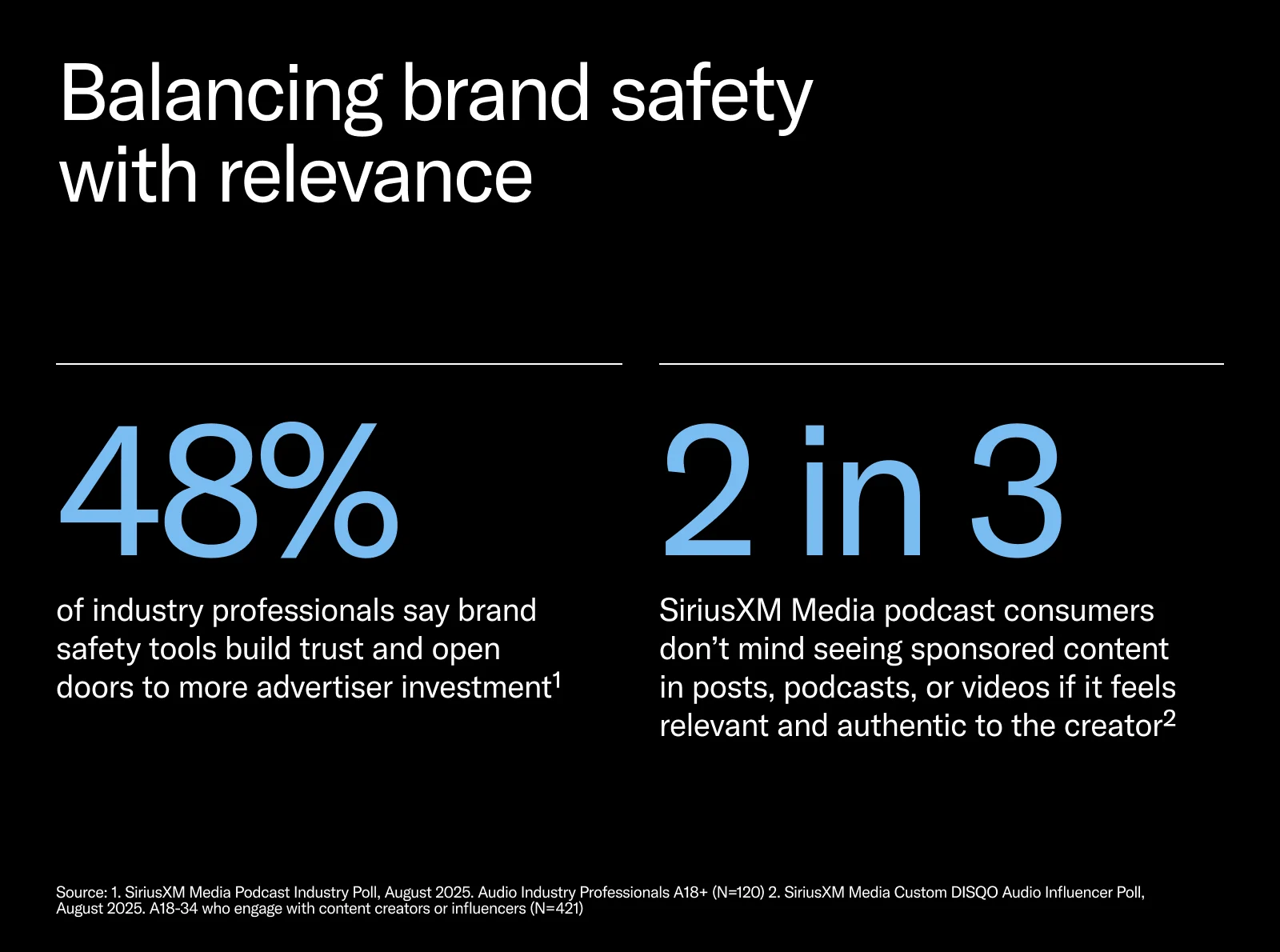
When sponsors feel aligned with the content and the creator, listeners are more receptive. Nearly half of industry professionals believe brand safety tools help build trust and open doors to more advertiser investment. 1 As for audiences, two in three podcast consumers don’t mind seeing sponsored content in posts, podcasts, or videos if it feels relevant and authentic to the creator. 2 And over half of weekly podcast listeners and viewers say podcast hosts are the type of influencer that matters most to them (nearly triple the share who say the same about social media influencers). 3
When sponsors feel aligned with the content and the creator, listeners are way more receptive. Nearly half of industry professionals believe brand safety tools help build trust and open doors to more advertiser investment. 4 As for audiences, two in three podcast consumers don’t mind seeing sponsored content in posts, podcasts, or videos if it feels relevant and authentic to the creator. 2 And over half of weekly podcast listeners and viewers say podcast hosts are the type of influencer that matters most to them (nearly triple the share who say the same about social media influencers). 5
Let authenticity and creativity lead
Podcasting is magic because it thrives on unfiltered, conversational, and deeply human content and the connections between the host and listener. When safety filters become too heavy-handed, that magic is at risk of fading, muting the very voices and conversations that audiences connect with the most.
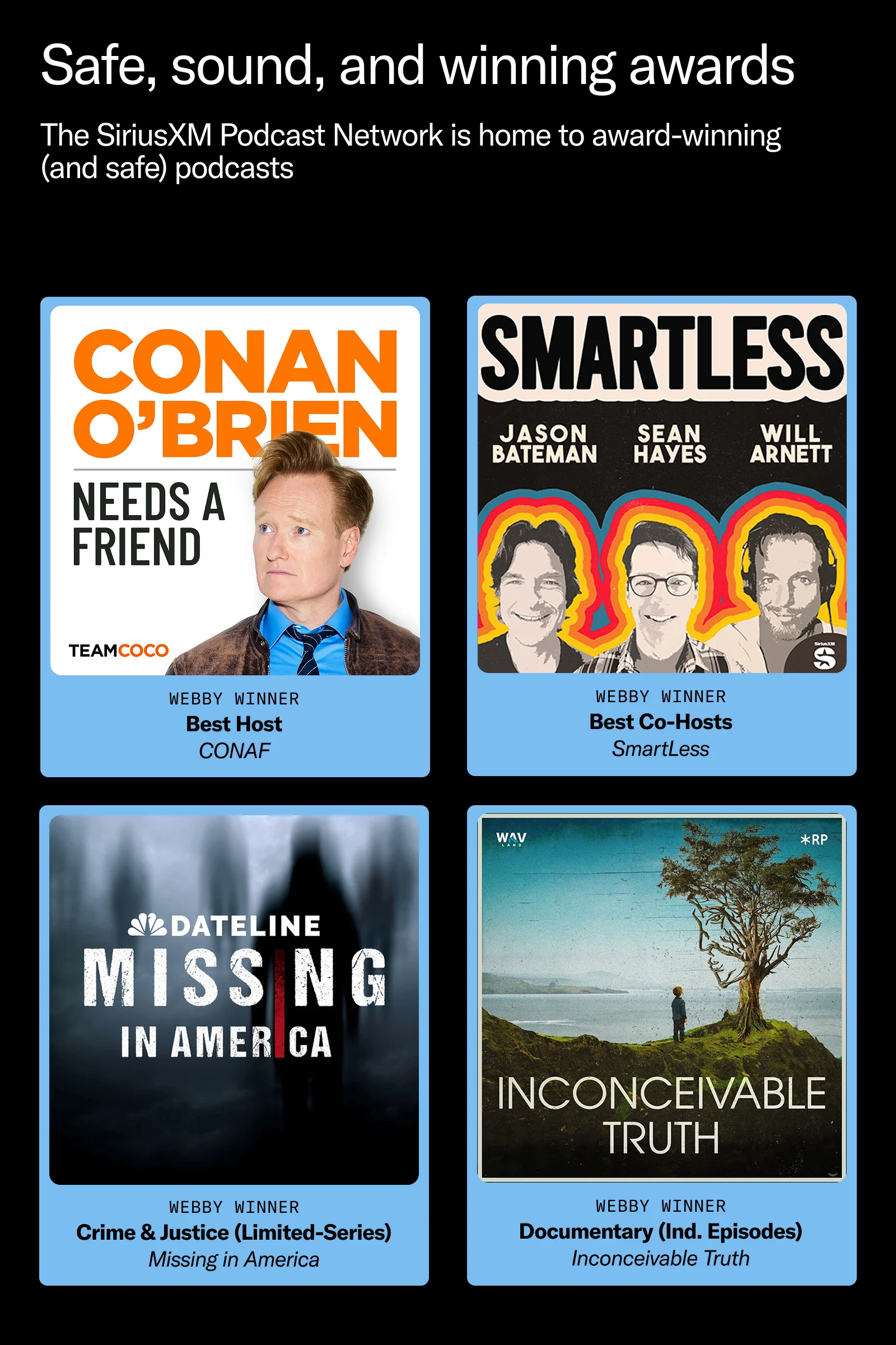
When brand safety focuses on suitability rather than sanitization, it strengthens trust on both sides of the equation—advertisers feel protected and listeners feel respected. The most effective brand partnerships allow creators to speak in their own voice, delivering messages that feel natural within the show's tone and community. Think of Conan O'Brien Needs A Friend: a quirky, fun show that showcases his lively spirit and the fun he has during his show and his ad segments.
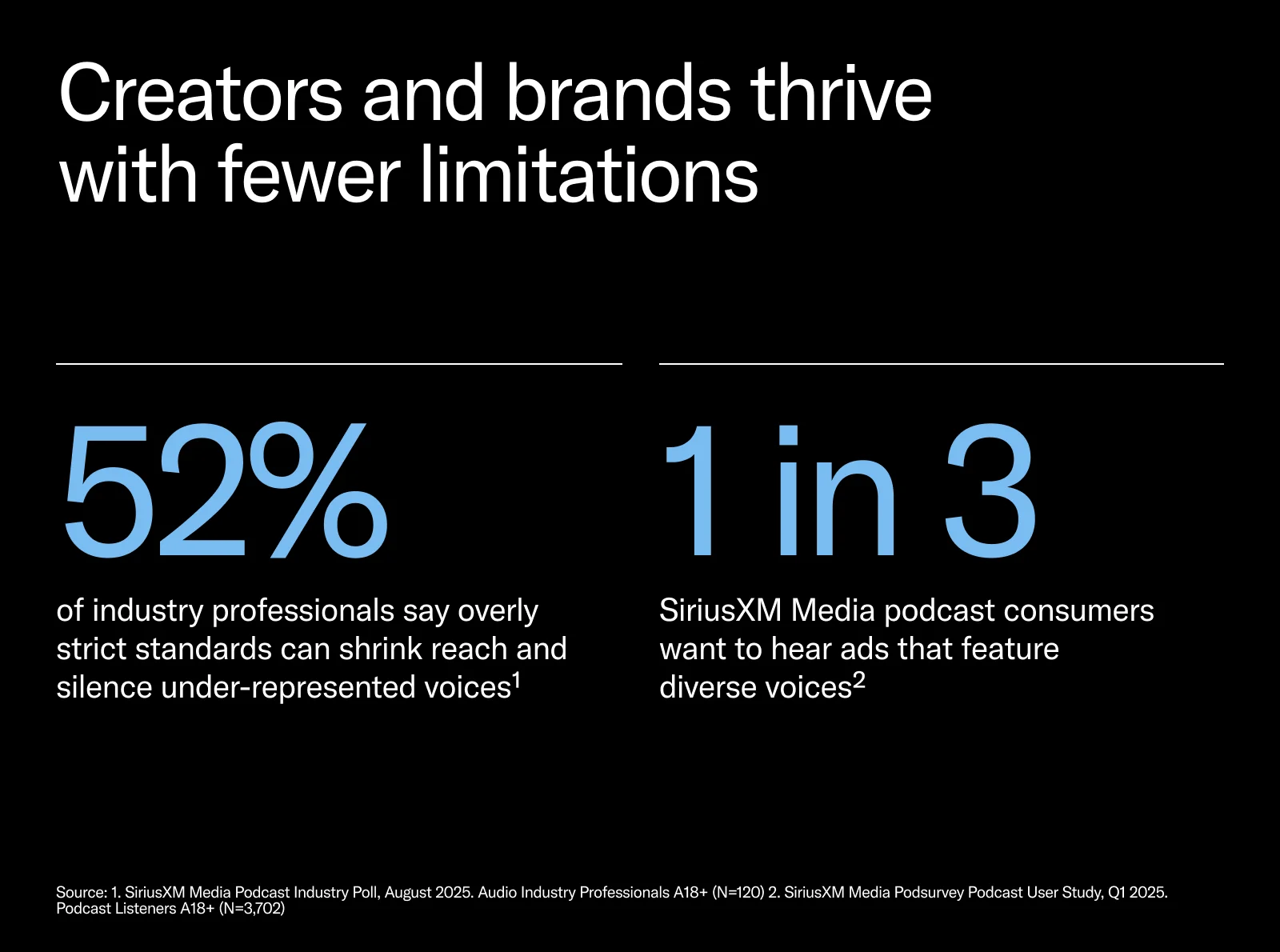
Relying on automated brand safety tools that lack nuance can negatively suppress diverse voices, communities, and under-represented creators. If advertisers want to connect with valuable growth audiences (like Gen Z listeners who seek diverse, unfiltered content), they need to leverage brand suitability tools thoughtfully and trust both the creators and the audiences who follow them when it comes to the content.
Find alignment and authenticity
Podcasts are relationship-driven environments built on the trust between the hosts and their audience. Listeners want real conversations and diverse perspectives. Over three in four podcast consumers say they appreciate it when hosts are authentic and uncensored, with nearly seven in 10 say they value the transparency and honesty of their favorite podcast hosts. And a third of podcast listeners and views say they want to hear ads that feature diverse voices. 6
Brand safety has helped podcasting mature, but safety alone doesn’t define brand suitability. While brand safety ensures your ads aren’t running alongside harmful content (all of which is typically removed from monetization streams), brand suitability works to align your ads with content that matches your brand’s goals, target audiences, and values.
The SiriusXM Podcast Network is home to award-winning shows across genres and perspectives that prove authenticity and safety can co-exist and that thoughtful suitability delivers stronger results than rigid restrictions.
When brand safety is applied with intention, it protects brands without compromising creativity, connection, or cultural relevance. Brands that focus on how they measure and where they show up will unlock not just safety, but long-term value in a medium built on trust. And SiriusXM Media is your opportunity to find the right balance. Let’s talk.
Up for more debates? Read on.

Related Insights
 Targeting
What's the Vibe? How Mood Targeting Improves Your Ad Timing.
Oct 8, 2026 Events
Follow the Fandom: Inside the Built with Audio Event
Oct 7, 2026 Digital Audio
Audio Built for Every Kind of Audience
Oct 7, 2026 Podcasts
Serialously and 10 to Life Join SiriusXM Media: Meet Annie Elise
Oct 6, 2026
