What Is Media Planning and Where Does Audio Fit In?
Defining media planning seems straightforward—until you try to define everything it actually includes. At its core, it’s the process of deciding where, when, and how your brand shows up across channels. But in reality, it spans a large number of things. Your ad spend. Your media mix. Your creative strategy. Your campaign timing.
Like any essential system, your media plan keeps your marketing efforts running. Even with growing automation, adopting a strategy is still important. If anything, the explosion of channels, formats, and technologies has made thoughtful media planning more critical than ever. Dive into what media planning is and why audio is an essential element.
What is media planning?
Media planning is the process advertisers use to determine the best strategy of delivering a message to a target audience. It typically happens before any media is bought but continues through campaign optimization and performance analysis. At this stage, you're answering questions like: Who are we trying to reach? What's the budget? Which channels make sense for our audience and goals? Do we focus on one platform or do we diversify the media mix? How will we measure success?
The answers to these questions get documented in a media plan: a blueprint that includes your goals, target audience, the channels you're going to use, how much you're spending, and flight timing. Once the campaigns are live, media planning doesn’t stop. The most effective media planners continuously refine their approach, working to align audience, messaging, and timing to drive results.
What are the benefits of media planning?
Media planning can wind up on the backburner when teams are stretched thin, but it’s fundamental to all campaigns and not just a nice-to-have. While it can feel like an extra step, a solid media plan results in less chaos and better outcomes.

More organized campaigns
When you've got a plan, your team knows what's happening and when. Messaging stays consistent and timelines are easier to manage. Nobody's scrambling.
A better understanding of your audience
The research that goes into a media plan forces you to actually learn about the people you're trying to reach so you can strengthen your campaign. What do they care about? Where do they spend their time? What gets them to act?
Optimized budget allocation
A defined plan makes it easier to keep tabs on every dollar and see what's pulling its weight. This makes it easier to spot waste and easier to shift money toward what's working.
Maximized ROI
When you deliver the right message, to the right audience, on the right channel, and at the right time, performance improves.
How has media planning evolved over time?
The early days of media planning were focused on channels like print, radio, and TV. The options were limited, and so was the complexity.
Today, the landscape looks different. Media buying is now a lot more automated. Programmatic has streamlined a lot of the process, making it faster and more precise to reach specific audiences. At the same time, cross-channel strategies have become the norm, with brands coordinating their messaging across video, social, display, and audio.
Despite this transition, some channels are still underinvested, despite their significant impact—and audio is a clear example. Audio accounts for 21.4% of total media time spent but makes up only 4.5% of total advertising spend in the US. 1 Additionally, Americans spend over four hours a day with audio 2 and 81% of the population listens to online audio every month. 3
Beyond scale, audio plays a distinct role in the media mix. It reaches listeners during screen-free moments, and the medium also works well alongside other channels. We’ve found that adding video and display ads to an audio-only campaign can deliver +52% more incremental reach. 4
What's the difference between media planning and media buying?
The terms media planning and media buying get used interchangeably, but they serve different roles.
Media planning is the strategy—the what and why. You do the research, set the objectives, figure out who you're targeting, and decide where to show up. The output is your media plan.
Meanwhile, media buying is the execution—the how. Once the plan is set, media buyers activate it. This includes negotiating with vendors, purchasing ad placements, and managing the campaign while it runs. The goal is to get the best spot at the best price.
Follow these best practices for creating a media plan
Decide your KPIs and goals
As the first step, know what you're trying to accomplish before you do anything else. Is your goal brand awareness? Leads? Sales? Pick your objectives and the metrics you'll use to track them.
Map out your target audience
Go deeper than basic demographics. Build out audience personas that capture behaviors, interests, and pain points. Understand what content and messaging they respond to and where they actually spend their time.
Choose the right media channels
Pick channels based on where your audience is. You might opt for audio for reaching consumers during screen-free moments, social media for brand discovery, and video for long-term storytelling. Your plan doesn’t have to be limited to a single channel, and the most effective ones reflect an understanding of how audiences move across channels in their daily routines.
Tailor your messaging
Match your creative to the channel and your audience’s context. Remember, what works in a podcast’s mid-roll ad may not work in a social feed or vice versa.
Adjust, test, and measure
A media plan isn't something you set and forget. Add in steps to monitor your performance, test creative variations, and make real-time adjustments based on what’s working.
Digital audio is fully measurable across the funnel, from building awareness to driving consideration and conversions—making it a performance-driven addition to any modern media plan.
Get started with SiriusXM Media
Media planning has evolved, becoming more automated and shifting toward digital channels. Digital audio is a critical addition to any media plan, and we can help you get started with our reach of 255M listeners across streaming audio, podcasts, and SiriusXM satellite. 5
More ways to upgrade your media mix


Related Insights
 Targeting
What's the Vibe? How Mood Targeting Improves Your Ad Timing.
Oct 8, 2026 Events
Follow the Fandom: Inside the Built with Audio Event
Oct 7, 2026 Digital Audio
Audio Built for Every Kind of Audience
Oct 7, 2026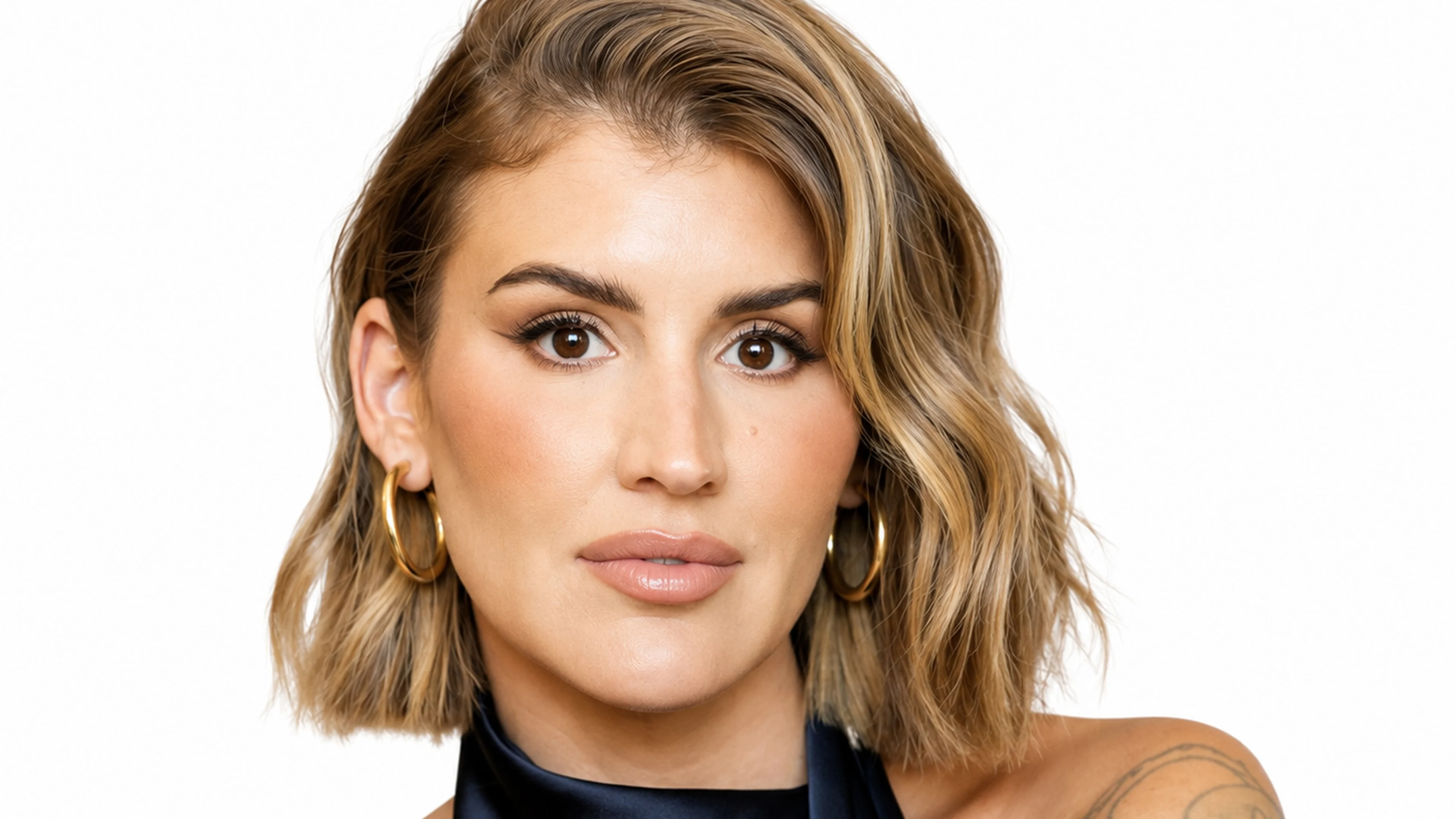 Podcasts
Serialously and 10 to Life Join SiriusXM Media: Meet Annie Elise
Oct 6, 2026
