What POSSIBLE 2026 Revealed About the Future of Audio
If there’s one thing POSSIBLE 2026 made clear, it’s that the industry isn’t short on data. Marketers today have a never-ending repository of signals, dashboards, and real-time reporting. Instead, what seems to be missing from the landscape is one thing: clarity. Specifically, around what it takes to build trust, capture attention, and move people to action.
Across every conversation we had during our time in Miami, whether it was focused on measurement and programmatic or culture and creators, the thing we kept coming back to was that audio offers the solution to all these needs—and it has for a long time.
Now, it seems, the rest of the industry may finally be catching up. But since this is something we’ve long touted as the ultimate truth in advertising, we were more than happy to help shed some light on the most pressing questions today’s marketers are facing.
Audio’s biggest challenge isn’t performance—it’s perception
For years, audio has lived in a paradox. It’s one of the most consumed forms of media in daily life, yet it continues to be undervalued in media plans.
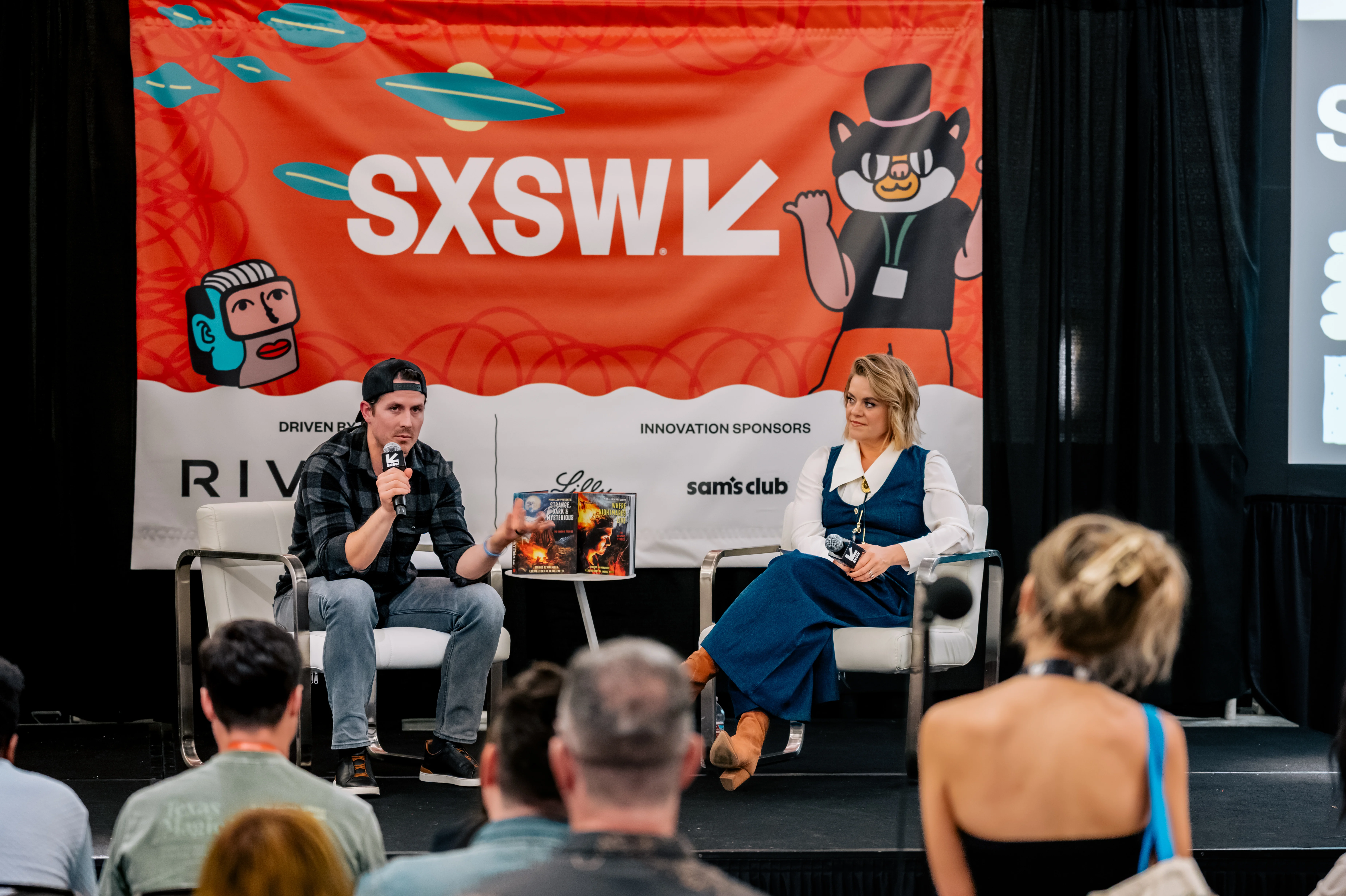
At POSSIBLE, our SVP and Head of B2B Marketing and Ad Innovation, Lizzie Collins, took the stage alongside leaders from across the industry to address that gap head-on. The issue isn’t whether audio works—it’s how it’s been measured, categorized, and ultimately understood.

Audio has evolved far beyond its legacy perception. It’s no longer confined to traditional formats or defined by standard ad units—it’s now an omnichannel experience that spans podcasts, video, social, and live moments. And at the center of that evolution are creators, who are reshaping how audiences engage and how brands show up.
That shift is changing how marketers think about the channel. Instead of buying isolated placements, they’re starting to invest in environments where attention is deeper, connections are stronger, and influence is built over time.
At the same time, consumption itself is evolving. Platforms like YouTube are reinforcing just how much of today’s media behavior is audio-first—even in traditionally visual environments. As listeners move fluidly between watching and listening, audio is becoming the constant layer that carries engagement across formats.
The challenge now isn’t proving that audio works. It’s ensuring the industry is measuring it—and valuing it—in a way that reflects its true role in the media mix.
And that shift is already underway. During her panel, Lizzie Collins noted that interest in audio is at an all-time high. While many adtech and measurement conversations at POSSIBLE last year centered almost entirely around video, this year’s discussions reflected a major shift. Companies are actively trying to solve for audio because they recognize its untapped potential, incremental reach, and growing influence in the media ecosystem.
In many ways, audiences have already outpaced advertisers when it comes to audio adoption. Now, the industry is racing to catch up.
In an AI-driven world, human connection still wins
As the industry leans further into automation and AI, another theme emerged at POSSIBLE: the growing value of human connection.
Trust is becoming harder to earn—and more important to get right.
Audio has always had an advantage here. It’s a medium built on voices, relationships, and consistency. Whether it’s a favorite podcast host, a morning radio personality, or a trusted creator, listeners form connections that go far beyond a single impression.
And that connection drives results.
At the same time, AI is beginning to play a practical role in helping audio scale more effectively across the ecosystem. From streamlining campaign planning and improving measurement to lowering creative barriers for smaller advertisers, new AI-powered tools are making it easier for brands of all sizes to activate audio in smarter, faster ways.
During her panel, Lizzie Collins also noted that the industry is seeing a huge surge in interest around audio. Not just because of its scale, but because of the trust it commands in a moment where consumers are questioning what (and who) to believe.

That’s also why creators are becoming central to the conversation. They’re not just content producers—they’re relationship builders. And for brands, that means thinking beyond transactional placements and toward partnerships rooted in alignment and authenticity.
Because in the end, attention might get you noticed. But trust is what drives action.

Understanding culture, rather than just trying to target it
While technology is reshaping how brands reach audiences, culture is what determines whether they connect.
That was front and center in a powerful conversation between SiriusXM Media’s Erin Harris and Latin GRAMMY-nominated artist ISADORA, where they explored the rise of Latin music as a global cultural force. The growth of the genre isn’t just about chart performance—it’s about identity, storytelling, and community. It reflects a broader shift in how audiences engage with content and how they expect brands to show up within it.

The key insight? People know the difference between being marketed to and being understood. That distinction matters more than ever. Because in a world where consumers are constantly filtering out noise, authenticity isn’t a nice-to-have—it’s the baseline. And the brands that succeed are the ones willing to show up with intention, not just presence.
The TL;DR on POSSIBLE 2026
If POSSIBLE 2026 showed us anything, it’s that audio isn’t an emerging channel—it’s an essential one. The industry is moving past outdated perceptions and toward a clearer understanding of what audio delivers: attention in moments that matter, trust built over time, and measurable impact across the full funnel.
From advancements in measurement and programmatic infrastructure to the cultural forces shaping how audiences connect, the opportunity for brands has never been more tangible. At SiriusXM Media, we’re focused on making that opportunity easier to unlock—helping brands navigate complexity, partner with creators, and turn meaningful connections into real results.
In a landscape defined by constant change, one thing is becoming increasingly clear: when you get audio right, everything else follows.
Ready to get started? Let’s talk.
Check out more of our event recaps:


Related Insights
 Targeting
Activity Targeting Gets Your Brand Messages in on the Action
Oct 15, 2026 Digital Audio
It's Not Too Late to Win New-to-Brand Holiday Buyers with Audio
Oct 15, 2026 Digital Audio
Why Fragmented Consumer Attention is Changing Media Buying
Oct 14, 2026 Success Stories
SiriusXM Drives Cross-Funnel Lifts for a Breakfast Brand
Oct 13, 2026
